Brim Reapers: The UK Milliners Making Winter Hats Feel Like a Threat
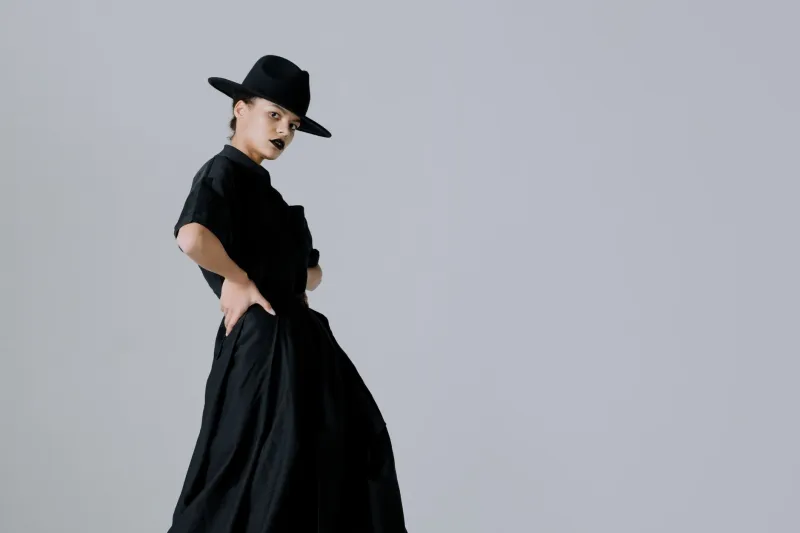
Winter dressing has a familiar rhythm: coat, knit, boots, repeat. The hat is usually the afterthought, the thing you grab because the forecast says six degrees and raining sideways. Not this year. For winter 2026, independent UK milliners are treating headwear like the main event — sculptural cloches, hardware-studded balaclavas, bucket hats with the kind of attitude that makes a plain wool coat look like a deliberate backdrop.
This is not about costume. It is about control. A loud hat changes the whole silhouette without asking you to rebuild your wardrobe. It sits right next to your face, which means it does more heavy lifting than a new jacket ever could. And in a market still recovering from years of dupe fatigue, a piece that looks handmade, slightly wrong and completely specific feels like the real flex.
The New Flex Is Up Top
Headwear has become the fastest route to personal style because it is small enough to be bold. You can wear the same black trousers and grey coat for a week, but swap a beanie for an exaggerated cloche and the outfit reads differently. Independent makers have clocked this. They are not competing with the big accessory houses on logo recognition. They are competing on shape, texture and the sort of details you only notice when someone is standing close enough to ask where you got it.
There is also a practical British argument. A hat is exposed to weather, transport and the general public. It gets seen. It gets commented on. In London, Manchester and Glasgow, where winter light is not exactly generous, a strong hat is a way of adding contrast without adding bulk. It is also, frankly, cheaper than a new coat.
London: Hardware, Holes and Attitude
In East London, the most interesting work is happening in small studios that sit somewhere between millinery and jewellery. Think balaclavas with eyelets and chain trims, felt hoods pieced together with visible stitching, and cloches that look like they have been slightly bashed in on purpose. The appeal is in the tension: soft wool against hard metal, traditional blocking against a punk finish.
One Dalston-based maker, Vex Millinery, has built a following on what it calls 'weatherproof armour' — close-fitting hoods in boiled wool with removable hardware. The pieces are made in short runs, often from deadstock fabric, and sold through a handful of independent boutiques rather than big platforms. The result is that you are unlikely to see your hat on three other people on the Central line.
London styling note: let the hat do the talking. If you are wearing hardware near your face, keep earrings minimal or skip them entirely. A chunky chain under a chunky chain is a lot. Let the hat be the noise.
Manchester: Cloche, But Make It Concrete
Manchester's contribution is heavier and more architectural. In Ancoats, a new wave of milliners is taking the cloche — that polite 1920s shape — and blowing it up. Brims are wider, crowns are taller, and felts are stiffened until they hold a shadow. The colour palette leans industrial: damp grey, rust, black, a acid yellow that looks excellent under a streetlamp.
Pillar & Pin, a small Manchester label, has been making exaggerated cloches from recycled wool felt with a water-repellent finish. The shapes are deliberately slightly too big, which is the point. They frame the face like a portrait and make a standard trench coat look considered. The label sells mostly through Instagram and a monthly market stall, which is exactly the kind of low-key distribution that builds a cult following.
Manchester styling note: balance volume with something sharp. A big cloche works best with a structured shoulder or a narrow trouser. If everything is oversized, the hat can start to look like a costume. Keep one part of the outfit clean and close to the body.
Glasgow: Bucket Hats Against the Drizzle
Glasgow has taken the anti-minimal bucket hat and made it feel genuinely useful. The city's independent makers are working with coated canvas, waxed cotton and welded chain details — pieces that can handle actual rain without falling apart. The silhouettes are lower and wider than the London hoods, with a kind of squat, stubborn practicality. These are hats for walking, not just posing.
A Garnethill-based studio, Gutter Guild, has been producing bucket hats with reinforced brims and detachable chin cords, often in collaboration with local musicians and skate shops. The look is scruffy but deliberate: frayed edges, contrast stitching, a metal ring where you least expect it. It is the sort of thing that looks better after a few months of wear, which is a rare quality in a market obsessed with pristine first impressions.
Glasgow styling note: lean into texture. A coated bucket hat sits well with denim, heavy knits and leather. Avoid matching it too neatly to your coat — a little friction is good. If the hat is black, let the rest of the outfit be black too, but mix fabrics so it does not read as a uniform.
Why It Is Happening Now
The shift is partly a reaction to dupes. When every minimal accessory can be copied in a week, shoppers are looking for things that are harder to fake: hand-blocked shapes, visible construction, small-batch materials. Headwear is a natural home for that because the margins are tight and the skills are specific. A badly made hat looks bad immediately. A well-made one looks like a decision.
There is also the social media factor, but not in the way you might expect. Hats photograph well because they frame the face. They create a silhouette in a crowded feed. Independent milliners have learned to show the back, the lining, the seam — the details that prove something was made rather than manufactured. That honesty is appealing in a market that has spent years being sold the same five shapes in slightly different colours.
How to Wear a Loud Hat Without Looking Like a Prop
The line between statement and costume is usually proportion. A giant hat with a giant coat and giant boots can tip into fancy dress. A giant hat with a clean, close-fitting outfit feels intentional. Pick one exaggerated element and let the rest support it.
Colour is another lever. If you are new to bold headwear, echo the hat somewhere else — a glove, a sock, a bag strap — so it looks like part of a plan rather than a last-minute grab. If you are more confident, let the hat be the only bright thing you wear. Both work.
Hair matters too. A close-fitting balaclava or hood works best with hair tucked in or pulled back. A wide cloche can handle loose hair, but keep the front clear so the shape reads. And please, wear the hat in. A pristine, stiff piece can look nervous. A hat you have actually lived in looks like yours.
The Bottom Line
Winter 2026 is a good moment to stop treating headwear as an afterthought. The independent UK milliners making noise right now are not trying to sell you a sensible accessory. They are selling a shape, an attitude and a small piece of armour against the grey. Buy from the makers, check the materials, and do not be afraid to look a little strange. Strange is the point.